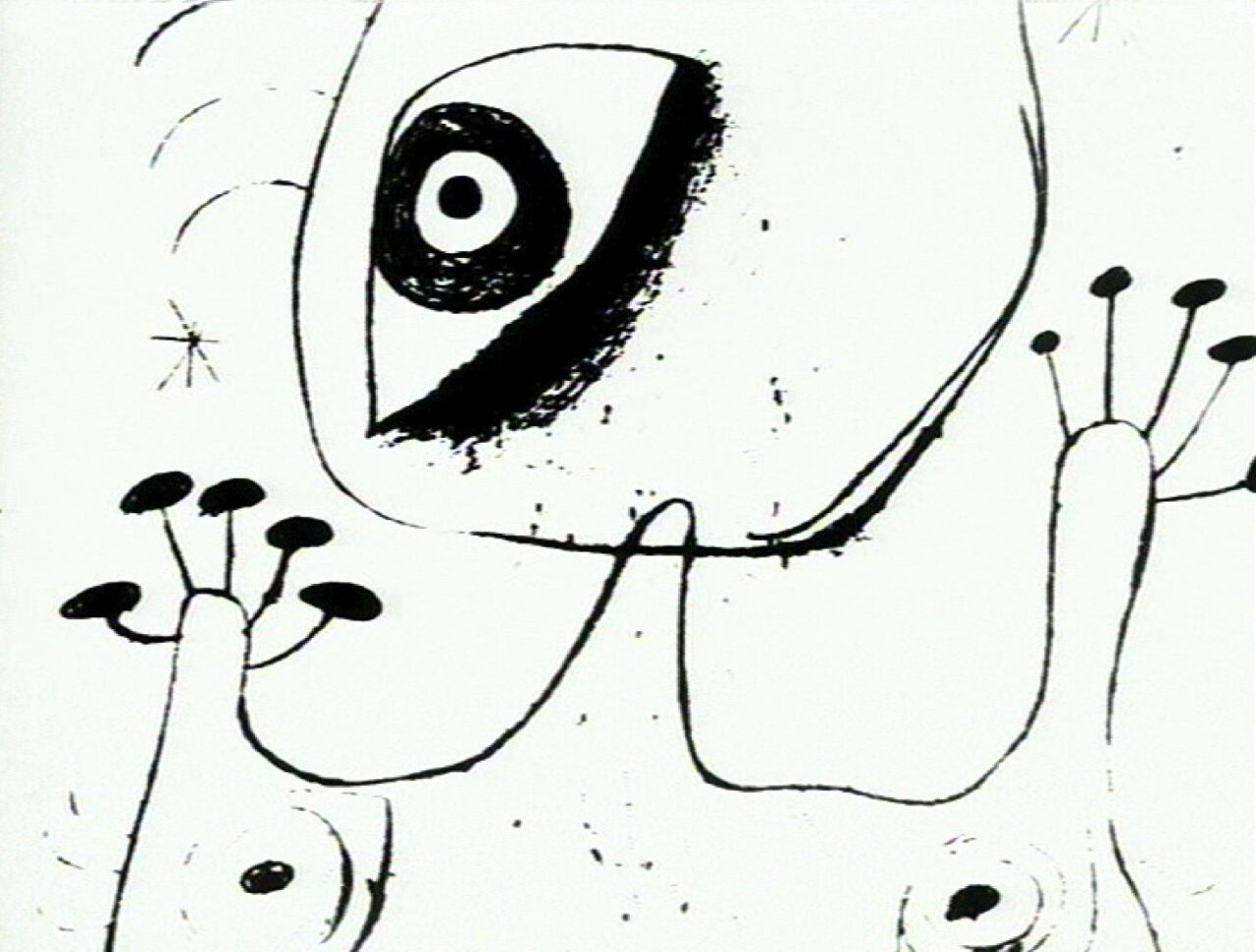
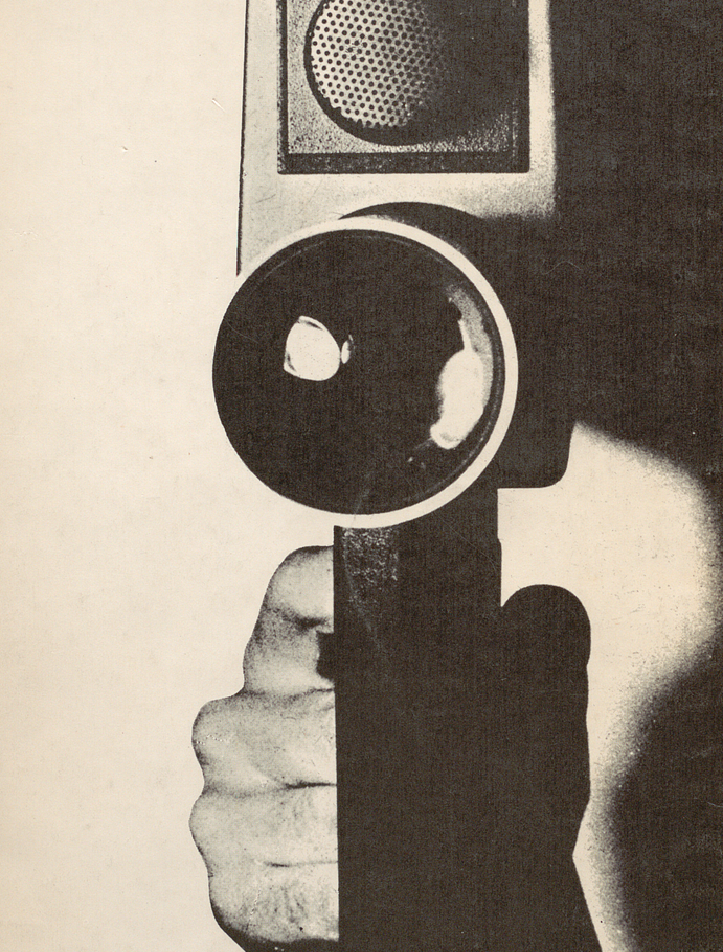
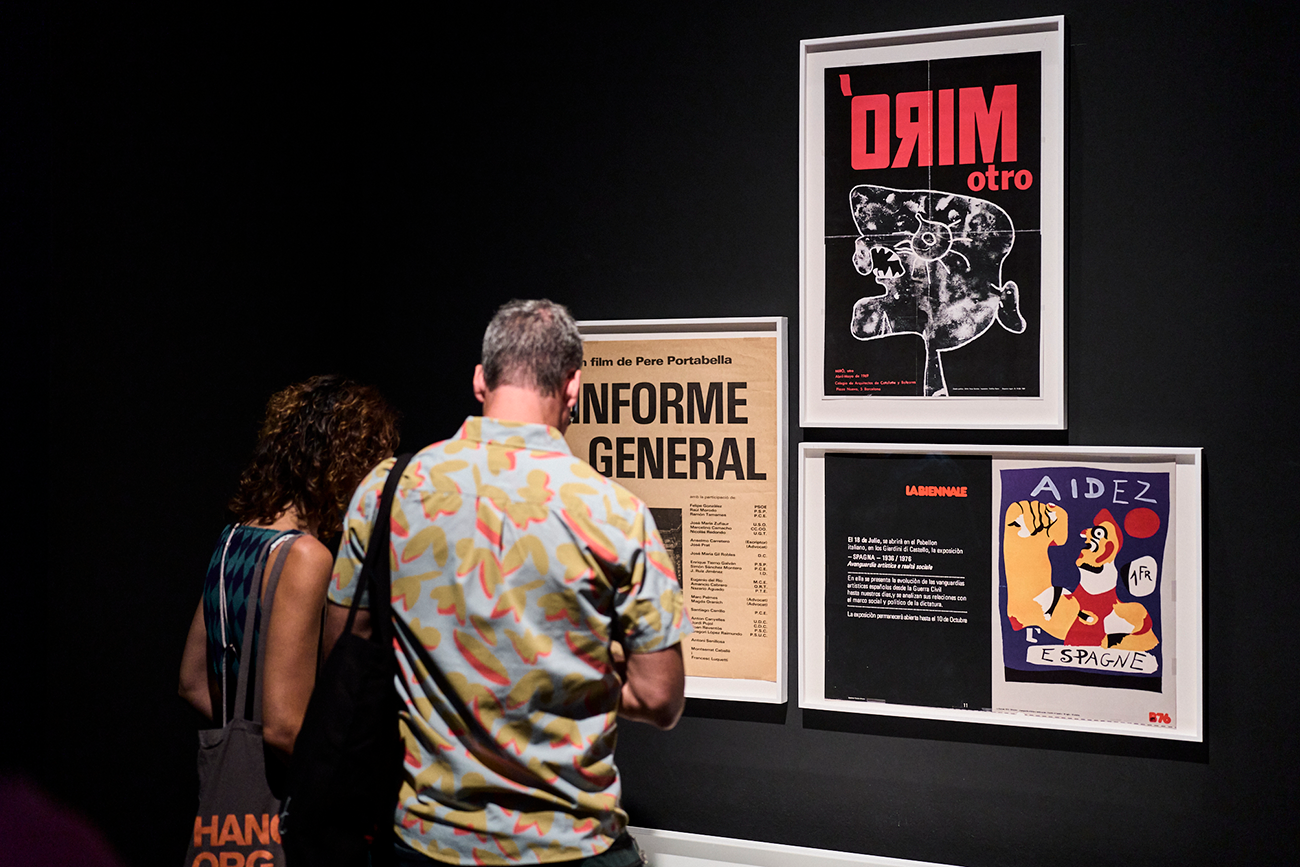
Pere Portabella "Aidez l'Espagne", 1969. MACBA Collection. MACBA Foundation. Gift of Pere Portabella. © Pere Portabella.
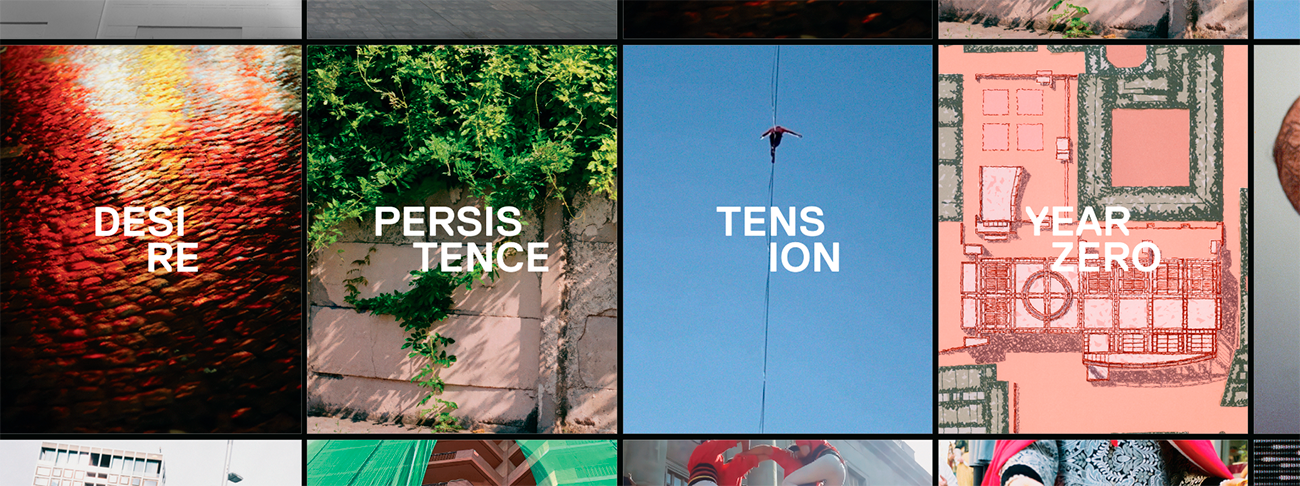
Exhibition
From 9 July 2026 to June 2027
Pere Portabella: The Committed Gaze
The Act of Filming: Video in the MACBA Collection
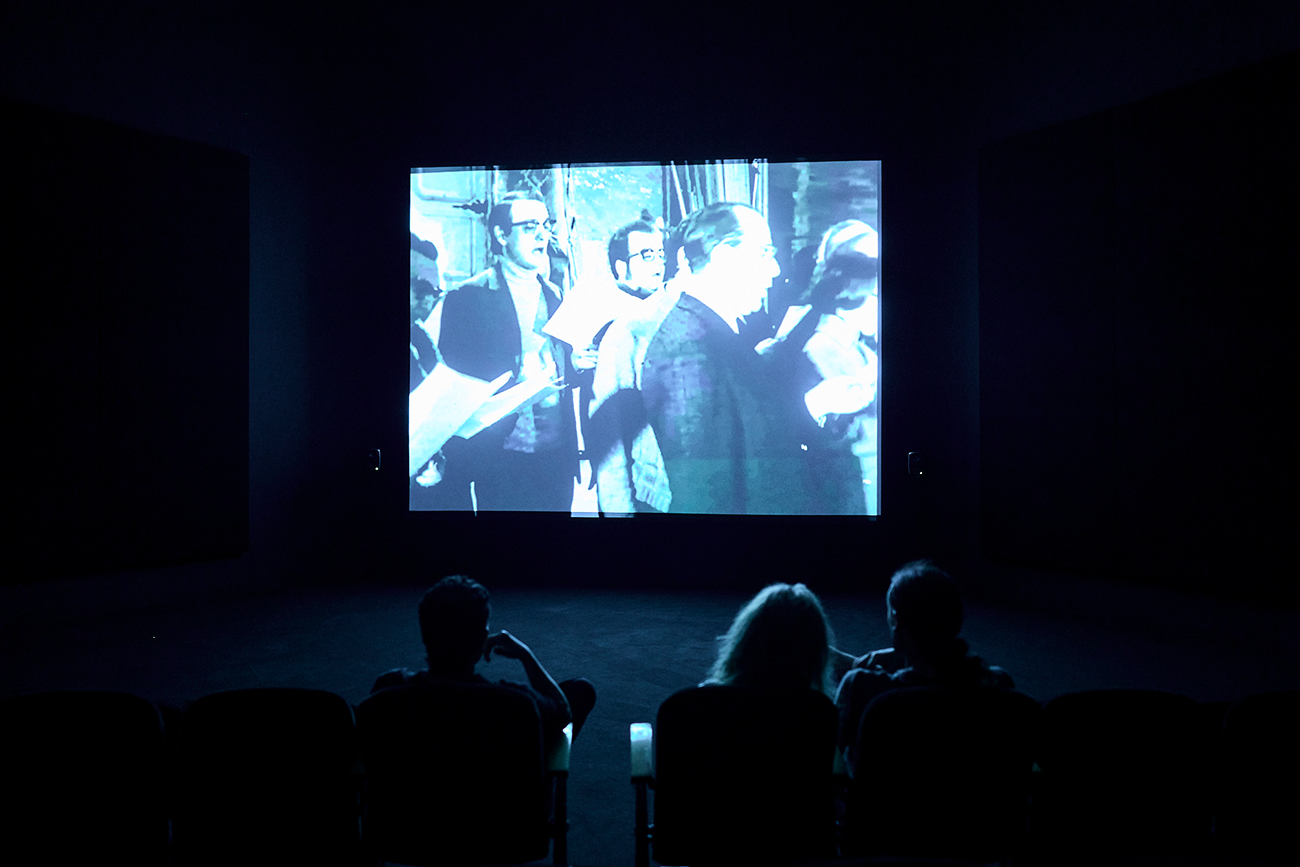
As part of “Acció Portabella”, an initiative marking Pere Portabella’s centenary, this programme of screenings of his films expands the constellation of practices involving the moving image present in the Collection.
His films were made at a time of censorship and curtailed freedoms, when cinema also became a way of revealing things outside the frame. Pere Portabella works at the margins of the filmmaking industry and established languages to forge a cinema that eschews linear narratives. By opening up spaces for interpretation and reflection, he links the moving image to forms of secrecy, resistance and revelation.
By subverting traditional narrative forms through a distinct political lens, his radical filmmaking offers an alternative way of looking, in tension with the historical and political context in which it is framed. This programme of screenings allows us to approach a body of work that understands cinema as a place where form itself is also a political position.
artist
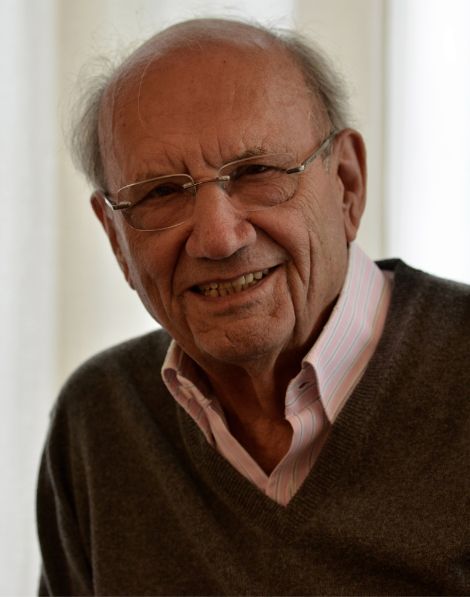
Pere Portabella
Figueres
1927
Figueres, 1927
Pere Portabella (Figueres, 1927) has been an important presence in the world of Spanish cinema, both as producer and film-maker, since the 1960s. As a producer in the 1950s, Portabella promoted, through Films 59, some of the cornerstone productions of Spanish cinema's ‘realismo crítico’: of particular note are films like Carlos Saura's Los golfos (1959) Marco Ferreri's El cochecito (1960) and Luis Buñuel's Viridiana (1961). At the end of the 1970s he was involved in the formation of the Barcelona School. His first films as director were written in collaboration with the poet Joan Brossa, and brought together the catalan avant-garde heritage fostered by Dau al Set and the iconoclastic languages which came one after another onto the international scene during the seventies, and became known as 'new cinema'. Films from this period include No compteu amb els dits (1967) and Nocturn 29 (1968), which would mark the beginning of his unbroken collaboration with the musician Carles Santos. During the first half of the 1970s, Pere Portabella became a key figure in the development of an independent, alternative, clandestine cinema, whose cinematographic work was inextricably linked to his political stance of opposition to Franco's regime. Films like Vampir-Cuadecuc (1970), Umbracle (1971-1972) or his series of shorts about Joan Miró, along with his participation in the Grup de Treball were radical interventions in the cinema and art worlds.
After directing Informe general (1976) Portabella took a break from his film career and dedicated himself to the world of politics and governmental institutions during the time of the Spanish transition to democracy. After this interval he resumed his work as a film-maker on films like Pont de Varsòvia (1989) and as a producer on, among others, José Luis Guerín's Tren de sombras (1997). Since the year 2000, Portabella's film career has had an international recognition in the circuits of contemporary art. In 2000, the MACBA put on the exhibition project Plotless Stories. The Cinema of Pere Portabella, a project that travelled in 2003 to Paris' Musée National Centre Georges Pompidou. In 2002 he was the only Spanish artist invited to documenta II in Kassel. In 2007, the MOMA in New York projected his filmography. Since then, he has received numerous recognitions and has presented retrospectives, including Tate in London (2011), Cinemateca Portuguesa in Lisboa (2017), Movie Mutations Zagreb (2019), Festival Internacional de Cine (FICUNAM) in Mexico (2019), Whitechapel Gallery in London (2019) and Close-Up Film Centre in London (2020). During 2026 and 2027, ‘Acció Portabella’ is being held, the international programme of initiatives around Pere Portabella on the occasion of his hundredth anniversary.
Filmography
Feature films: No compteu amb els dits (1967), Nocturn 29 (1968), Vampir-Cuadecuc (1970), Umbracle (1972), El sopar (1974-2018), Informe general (1976), Pont de Varsòvia (1989), Die Stille vor Bach (2007) and Informe general II. El nou rapte d’Europa (2015).
Short films: Miró l'altre (1969), Aidez l'Espagne (1969), Premios Nacionales (1970), Play Back (1970), Poetes catalans (1973), Miró tapís (1972), Miró la forja (1973), Acció Santos (1973), Literatura, Made in Barcelona (1992), Cròniques de la veritat oculta. Pròleg (1996), Art a Catalunya (2003), La tempesta (2003), Lectura Brossa (2004), P.H.N. (Plan Hidrológico Nacional) within the collective film Hay motivo (2004), Visca el piano! (No al no) (2006), Mudanza (2008) and Uno de aquellos (2010).
www.pereportabella.com [Search: 13 July, 2026]
artists
1 artists
curated by

artists
1 artists
As part of
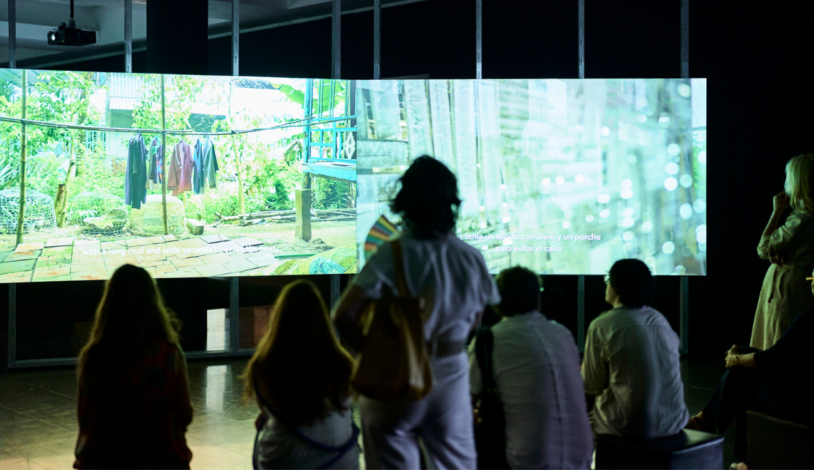
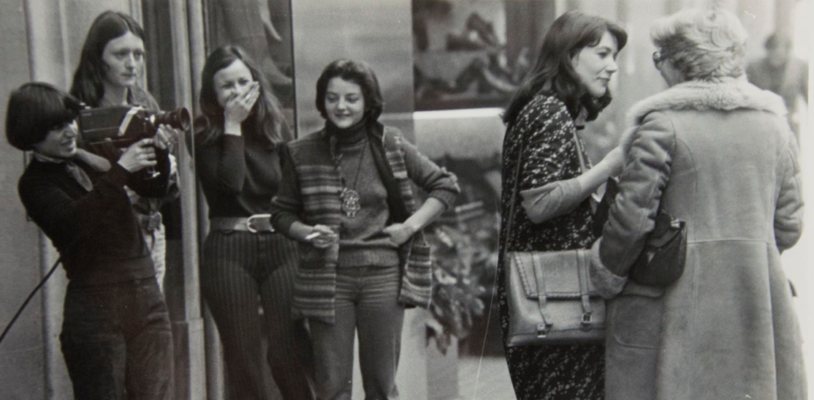
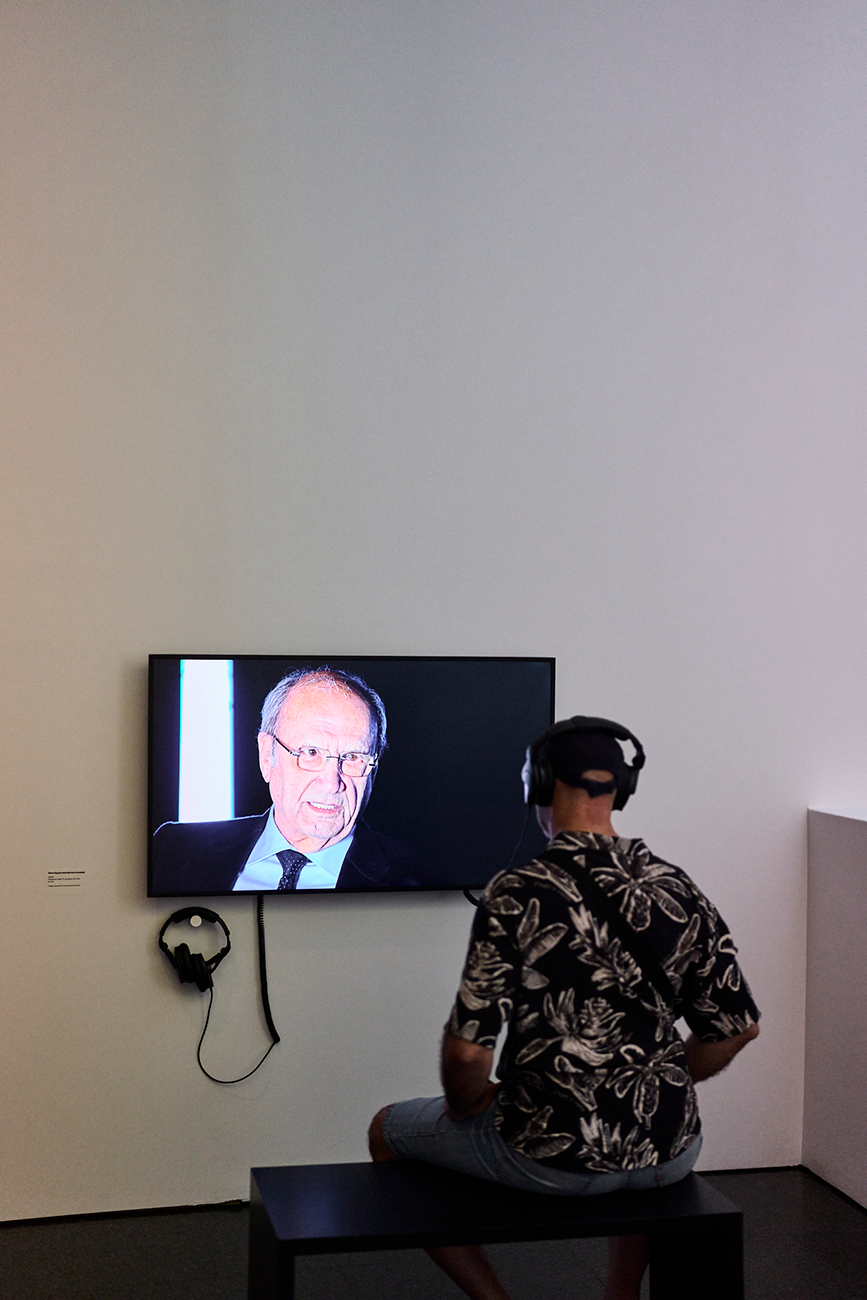
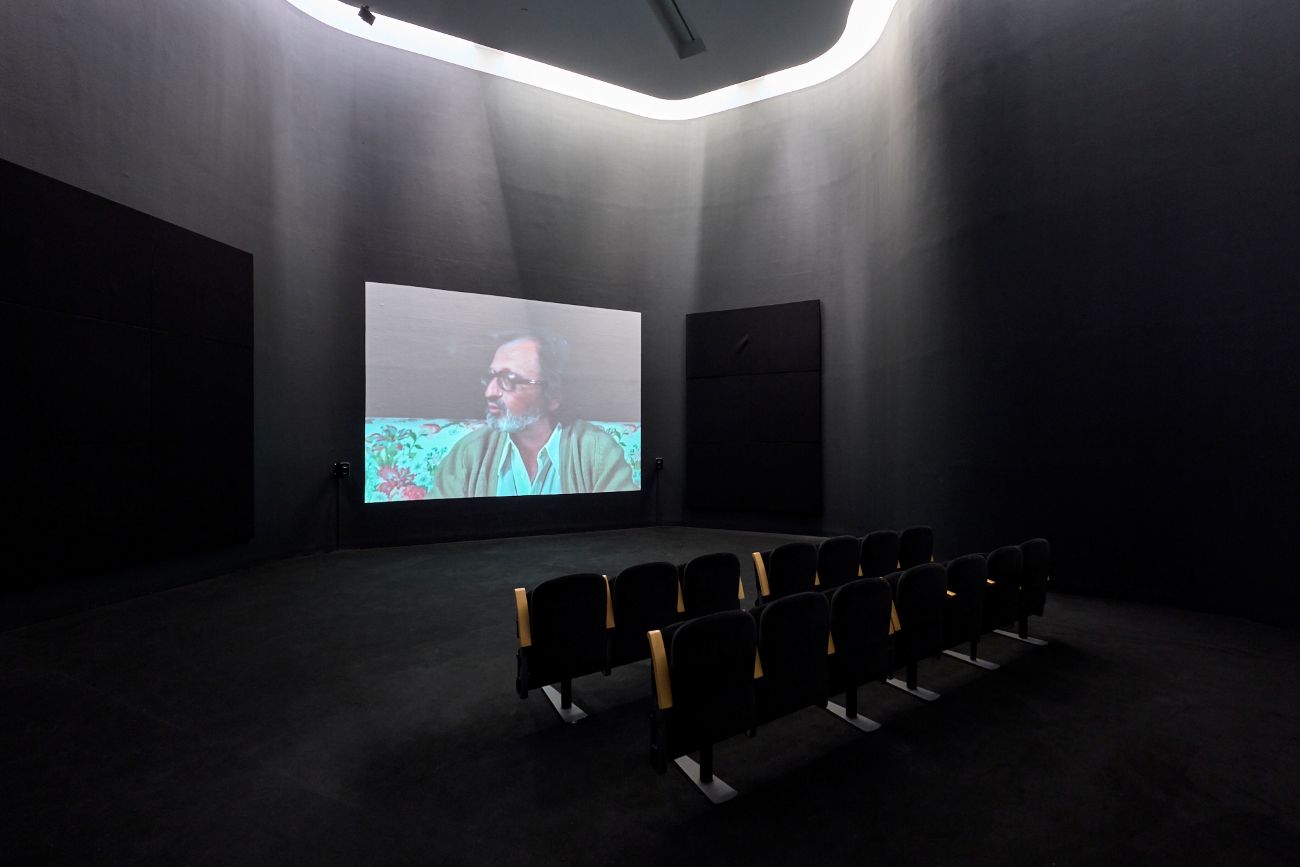
The Act of Filming: Video in the MACBA Collection explores the presence of video in the MACBA Collection by bringing together three moments and contexts linked to the moving image: material from the Video-Nou collective, later Servei de Vídeo Comunitari (active in Catalonia in the late 1970s and early 1980s); video works from the Han Nefkens Foundation donation (produced between 2012 and 2021); and a programme of screenings of films by Pere Portabella (produced between 1960 and 2020) as part of the “Acció Portabella” initiative marking his centenary.
Digital Guide
Explore MACBA at your own pace with our free digital guide! Bring the museum to your mobile and enjoy a unique experience through the voices of artists and curators, with exclusive content and personalised tours. However you choose to visit, make it your own!

Activities
5 results
Jumping Over the Edge
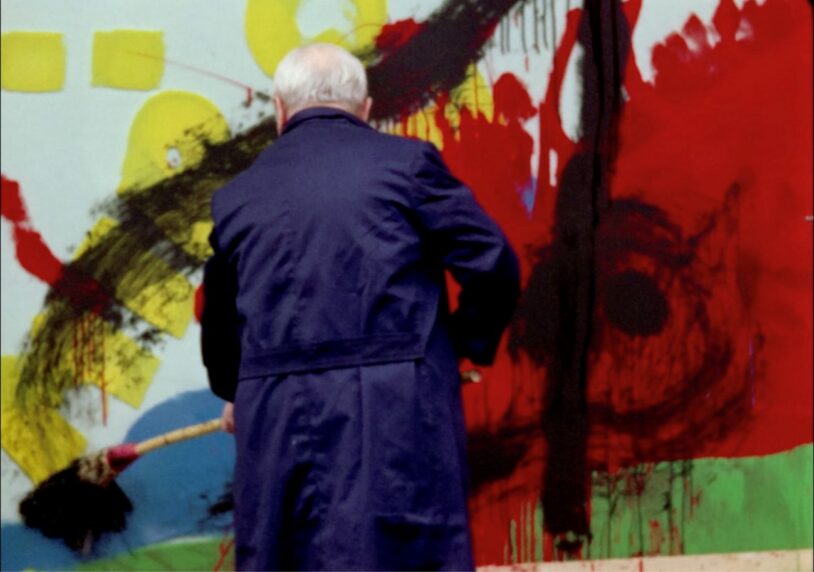
Screening of Miró l’altre [Miró the Other], by Pere Portabella, followed by a discussion between Claudio Zulian and Teresa Grandas
Activity
Thursday, 8 October 2026
Guided visits to The Act of Filming: Video in the MACBA Collection
Led by Avalancha
Activity
Every Saturday, from 7 November 2026
Group and educational centres visits to The act of filming: video in the MACBA Collection
Secondary school, upper secondary school, vocational education and training (VET), special education, groups with disabilities, universities and adults
Activity
From 8 November 2026 to 23 May 2027
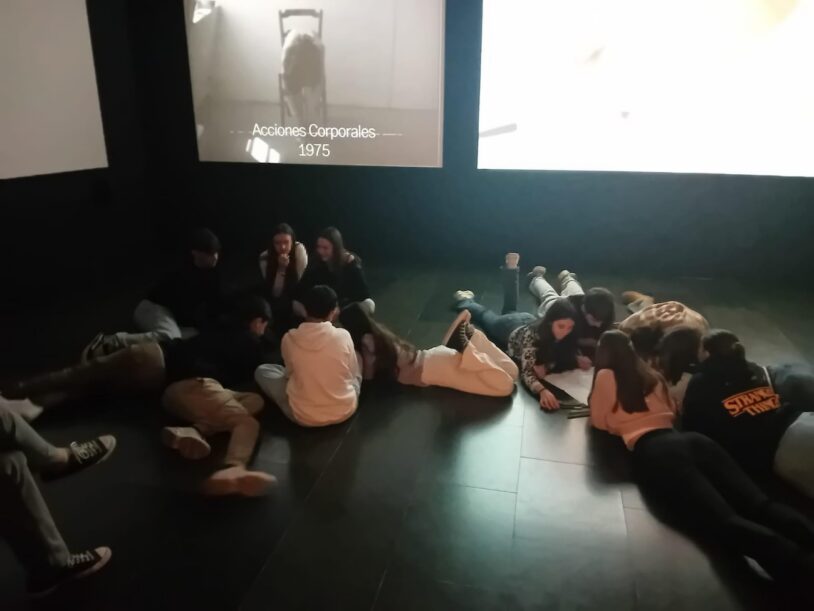
Narratives from a Collection
Secondary school, upper secondary school, vocational education and training (VET), special education, and groups with disabilities
Activity
From 4 November 2026 to 28 May 2027
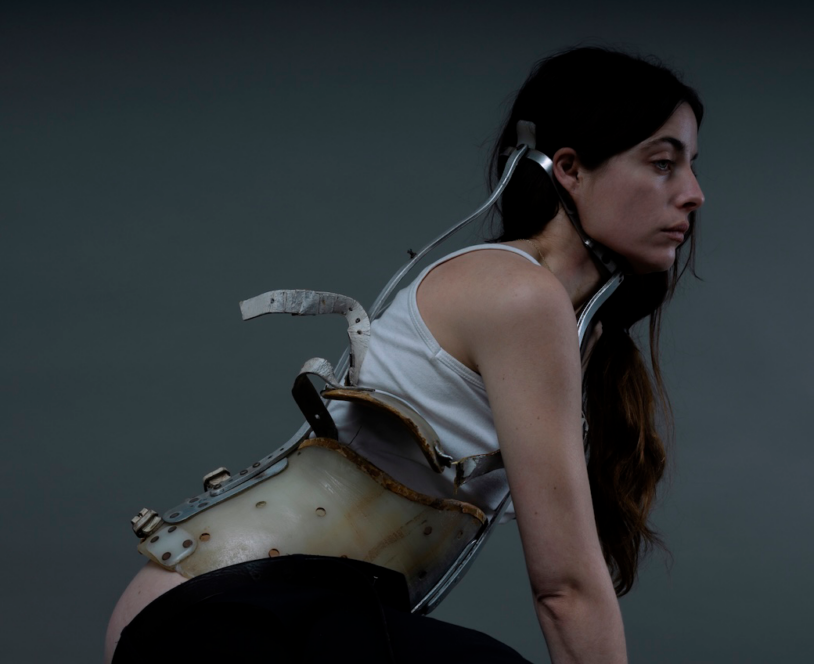
MURMURS IX: ASIA, Heavy-Metal
A homage to the enigmatic musical action by Carles Santos and Pere Portabella while they were being held in the Model prison
Activity
Thursday 16 and Friday 17 July, 2026
Experience MACBA in good company
Enjoy our guided tours and experiences for groups to look at, discuss and connect with contemporary art, with the guidance of the museum’s team of educators.
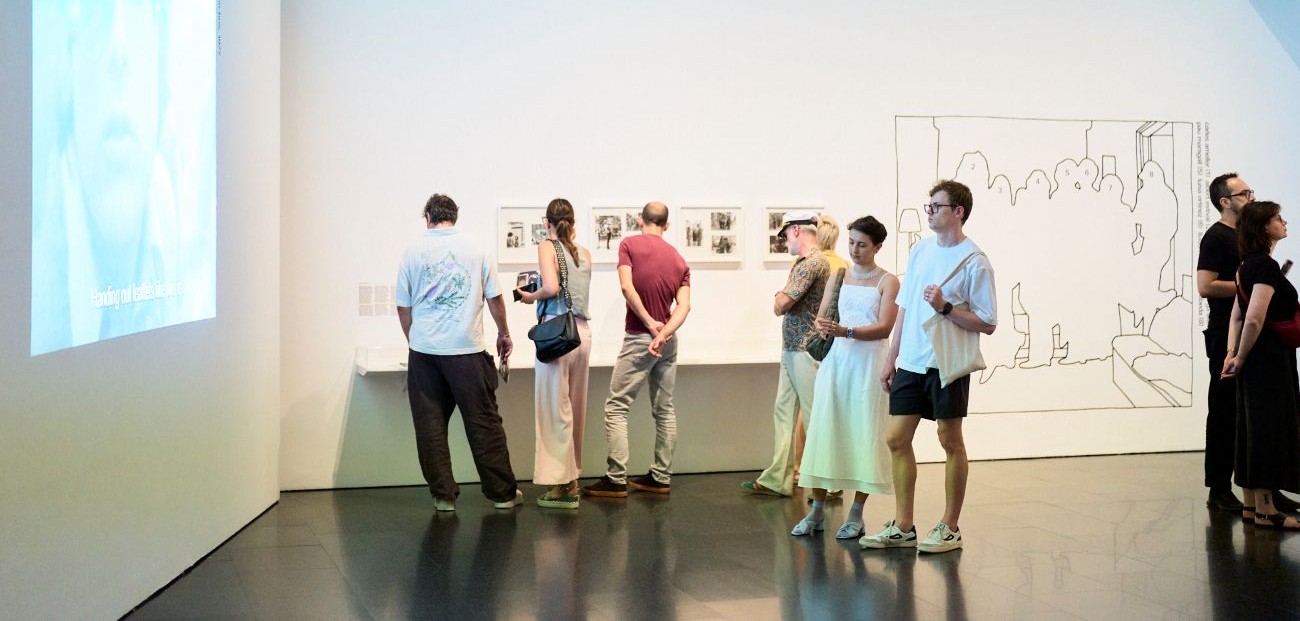
gallery of images
5 images
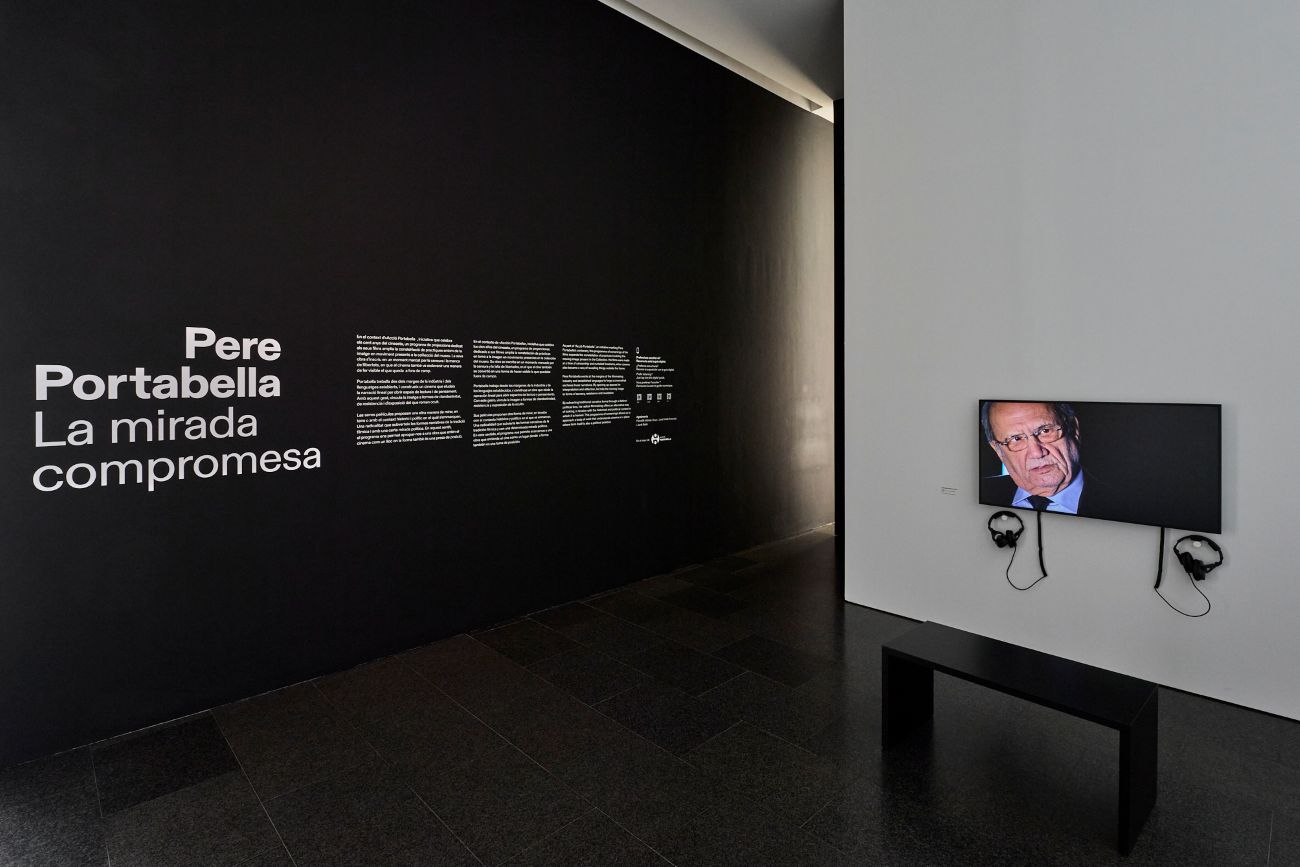
MACBA Thirty
We celebrate Year Thirty of an infinite MACBA that projects the future as a space for revision and possibility: of taking up what was left unfinished, updating what needs it and projecting anew everything that can still be transformed.